
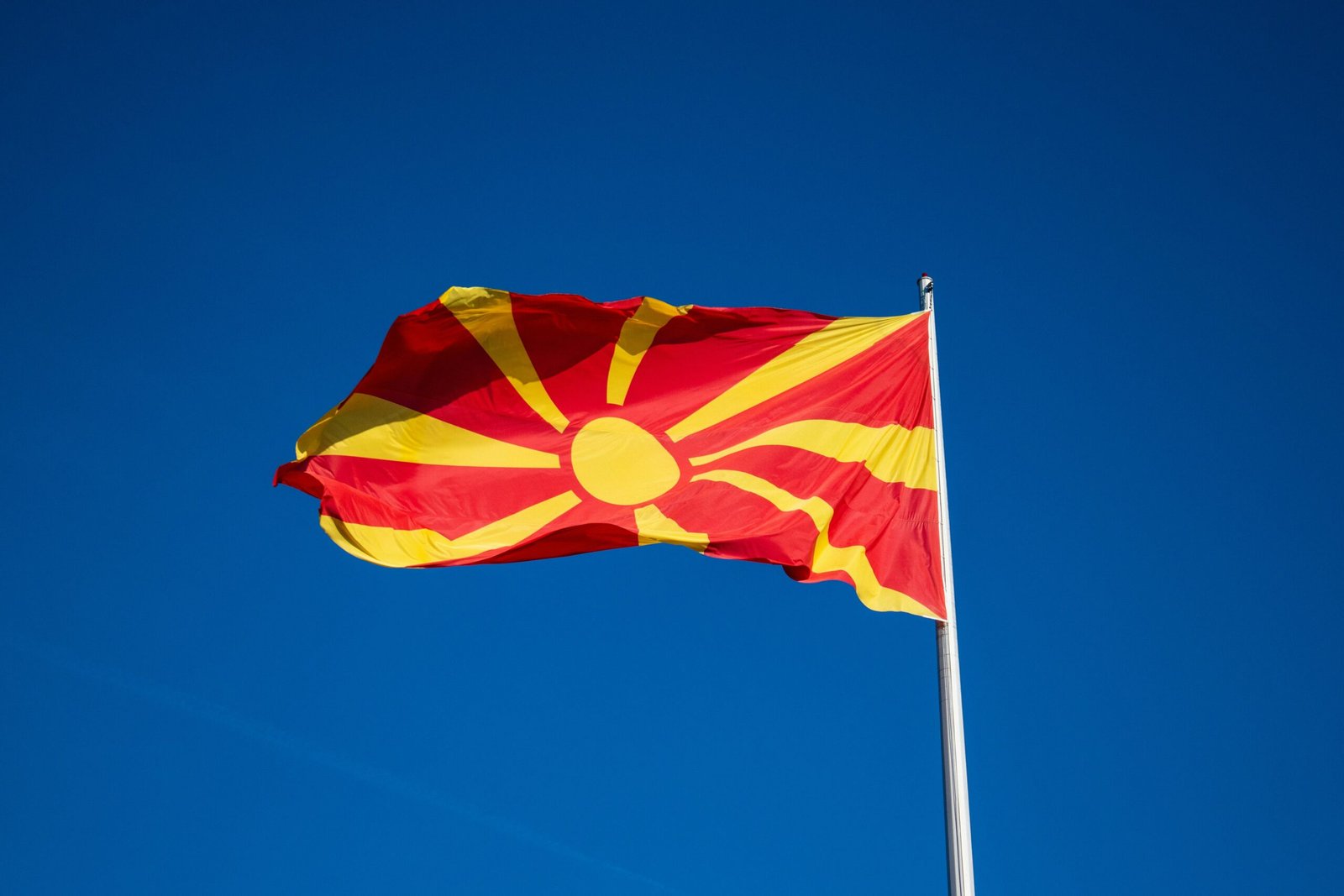
A complete introduction to one of Europe’s most underrated destinations, filled with ancient history, breathtaking nature, and unforgettable hospitality.
Discovering One of Europe’s Last Hidden Destinations
For many travelers, Macedonia is still a mystery on the map of Europe. Tucked between Greece, Albania, Serbia, and Bulgaria, the country often surprises those who choose to explore it. What they discover is a place filled with dramatic landscapes, ancient towns, and a culture that blends Balkan warmth with Mediterranean influence. Arriving in Macedonia for the first time feels refreshingly different from visiting many crowded European destinations. Cities are lively but not overwhelming, nature is accessible and untouched, and locals are eager to share stories, food, and recommendations. Within a relatively small country, travelers can explore historic lakes, mountain villages, medieval monasteries, and vibrant cafés — all within a few days. Macedonia rewards those who arrive without rigid expectations and allow themselves to discover it slowly.
A Land Shaped by Ancient Civilizations
Macedonia’s history stretches back thousands of years. The region has been home to many civilizations, each leaving its mark. Ancient cities such as Stobi reveal Roman influence, while Byzantine churches and monasteries still stand decorated with frescoes and intricate stonework. During the Ottoman period, towns developed bustling bazaars and distinct architecture that remain visible today, especially in Skopje and other historic cities. Walking through these streets feels like stepping through layers of history where different cultures coexist.
What First-Time Visitors Should Experience
There are many places worth visiting, but several experiences stand out for first-time travelers. Skopje offers an energetic introduction, with the Old Bazaar, Debar Maalo, and Mount Vodno providing a mix of history, nightlife, and panoramic views. Just outside the city, Matka Canyon offers boat rides, caves, and peaceful scenery. Further south, Ohrid sits beside one of Europe’s oldest lakes, known for its churches, historic streets, and clear water. Prilep offers a different landscape, with dramatic rock formations and the ruins of Marko’s Towers overlooking the valley. Together, these destinations create a well-rounded introduction to the country.
Food, Cafés, and the Rhythm of Everyday Life
Food is central to Macedonian culture, and meals are rarely rushed. Restaurants serve generous portions of grilled meats (skara), fresh salads, local cheeses, and traditional dishes like tavche gravche and shopska salad. Rakija is often served before meals, while local wines accompany dinner. Café culture is equally important, with locals spending hours over coffee discussing daily life. For visitors, cafés offer a window into everyday Macedonian life.
Best Time to Visit Macedonia
Macedonia can be visited year-round, but spring and autumn are the most pleasant. These seasons offer comfortable temperatures for exploring cities, hiking, and sightseeing. Spring brings greenery and blooming landscapes, while autumn offers warm colors and vineyard harvests. Summer is ideal for lakes like Ohrid and Prespa, while winter transforms mountain regions such as Mavrovo into destinations for skiing and winter sports.
Why Macedonia Is a Perfect Destination for First-Time Travelers
One of Macedonia’s strongest qualities is its authenticity. Unlike heavily visited destinations, it remains genuine and relaxed. Travelers often feel a personal connection through interactions with locals, welcoming restaurants, and untouched landscapes. Its compact size allows visitors to experience a wide variety of destinations within a short time.
A Journey Worth Taking
For first-time visitors, Macedonia offers something increasingly rare — a sense of true discovery. Ancient ruins, mountain monasteries, vibrant cities, and peaceful lakes come together to create a destination that rewards curiosity. Those who arrive with an open mind often leave with lasting memories and a deeper appreciation for the Balkans. For many, the first visit quickly becomes a reason to return again.
Leave a Reply