
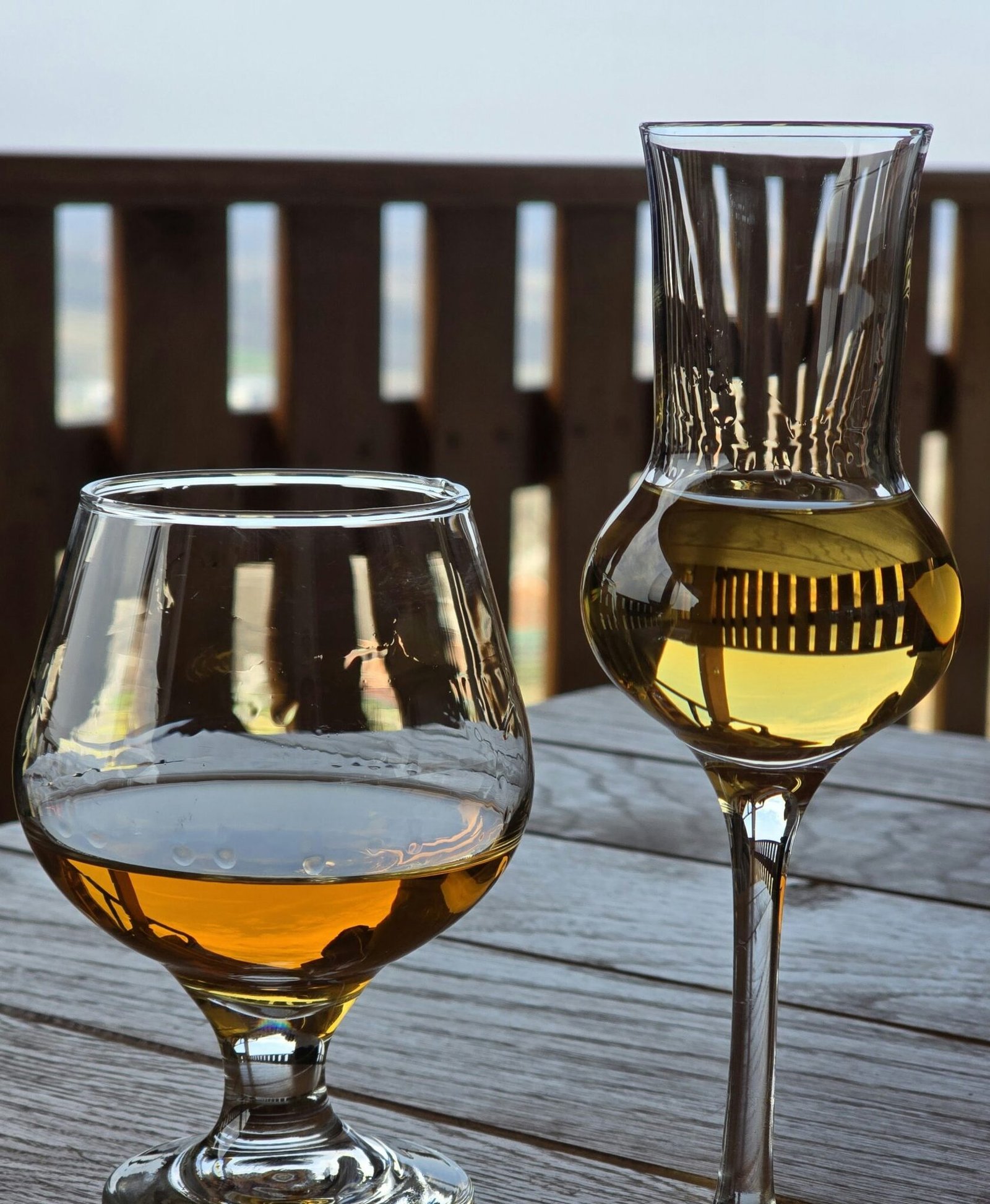
Welcome drink, celebration drink, digestif, cold remedy, toothache cure, and morning health supplement. Macedonia’s favourite spirit does not believe in limits.
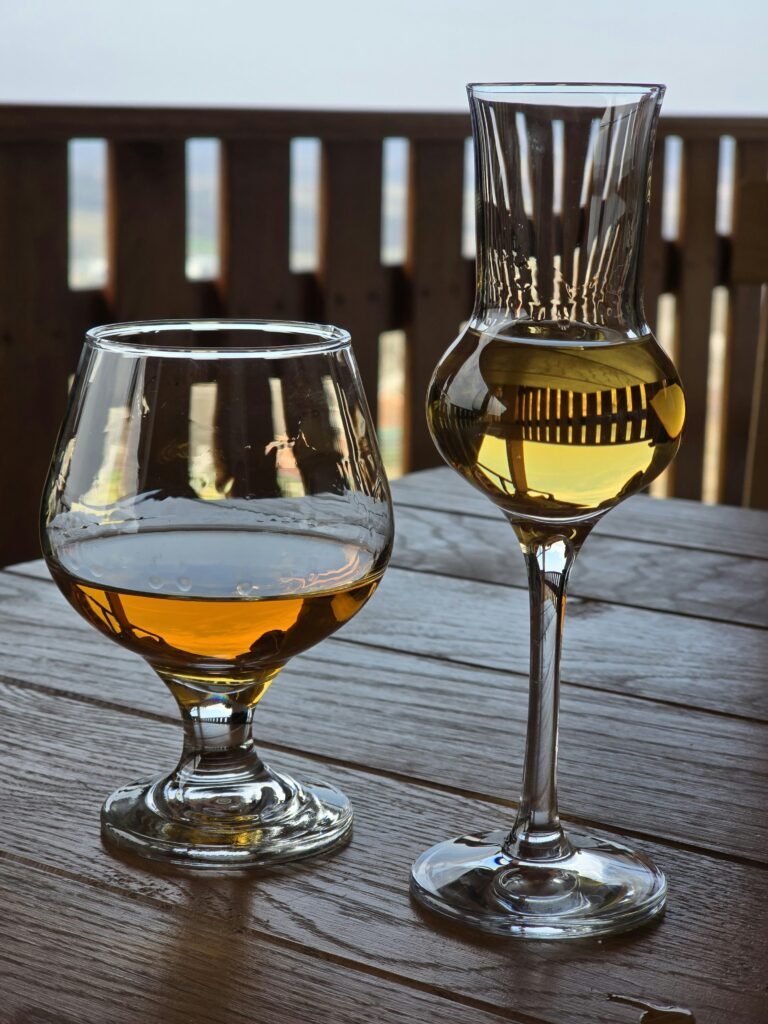
Introduction
There is a drink in Macedonia that has been solving problems since before recorded history.
In other words, it welcomes strangers into homes, closes meals that could not possibly need anything else, and appears at every wedding, every celebration, and every gathering of more than two people who like each other.
Women drink it. Men drink it. Grandmothers drink it and then tell you it is good for you — and the extraordinary thing is that nobody has ever successfully argued otherwise.
This is rakija.
Once you understand what it is, what it means, and why Macedonians approach it with complete seriousness and zero apology, you will never look at a shot glass the same way again.
What Is Rakija?
Rakija is a fruit brandy — a distilled spirit made from fermented fruit — and one of the defining cultural elements of Macedonian life.
In general, it is clear or pale gold, typically between 40 and 60 percent alcohol.
The fruit varies — grapes, plums, quinces, apricots, figs — and each produces a different character.
However, the ritual around it remains consistent: it is drunk straight, never mixed, and always with attention.
Lozova — Grape Rakija
Lozova rakija is the most common variety in Macedonia.
In fact, it is usually the first one visitors try.
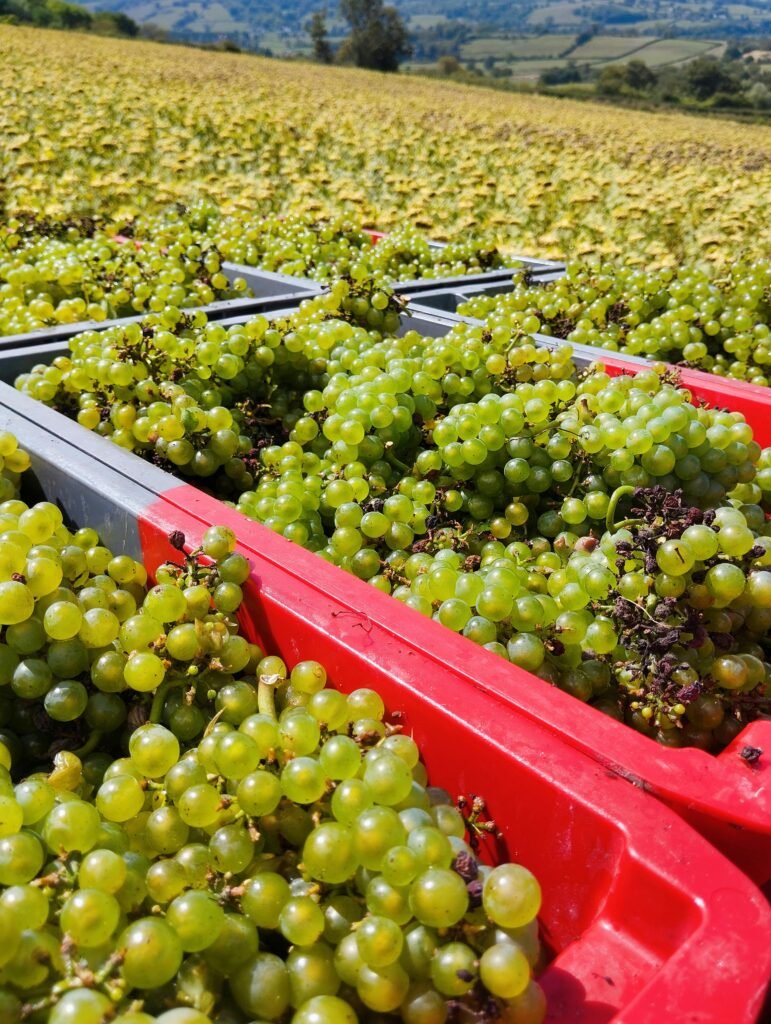
It is clean, direct, and smooth enough to understand immediately why it is consumed before meals, after meals, and sometimes during them.
At the same time, homemade lozova is significantly stronger and more complex.
Mastika — The Anise Spirit
Mastika is Macedonia’s anise-flavoured spirit and another pillar of the drinking culture.
Unlike most rakija, it is often served chilled or with ice.
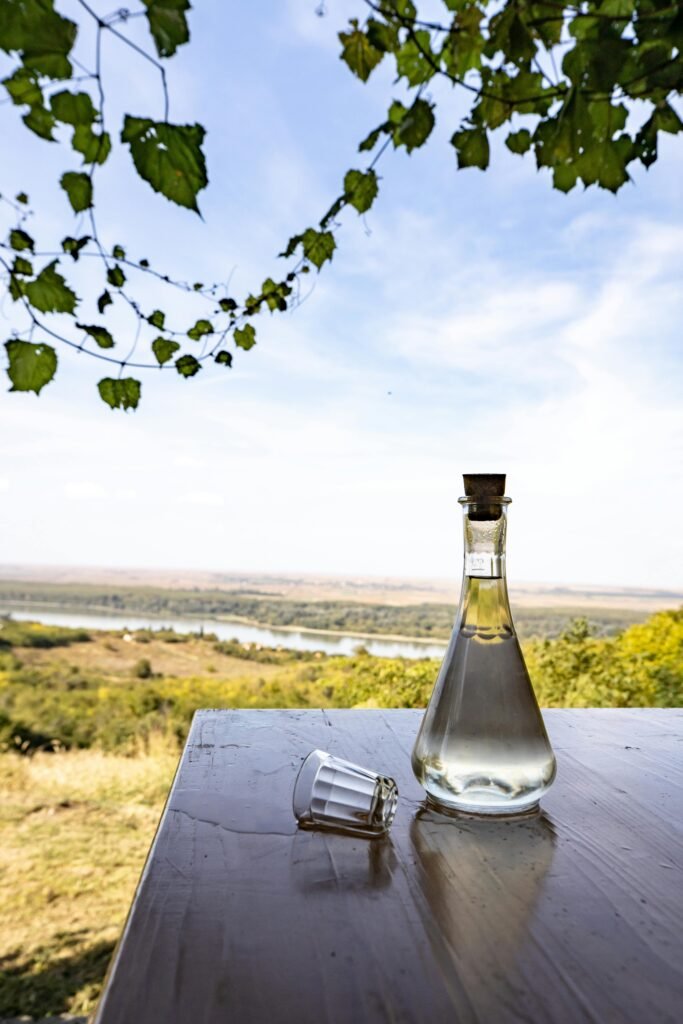
Its herbal sharpness works both as an aperitif and a digestif.
As a result, it balances heavy meals perfectly.
How Macedonians Drink Rakija
The first thing to understand is that rakija culture is not performative.
Instead, it is natural and deeply rooted in everyday life.
When you enter a Macedonian home, rakija appears almost immediately.
This is not optional — it is hospitality.
It is always drunk straight — no mixers, no ice, no shortcuts.
Homemade Rakija — The Real Experience
If you are offered homemade rakija, accept it.
Without a doubt, this is the real experience.
Families take pride in producing it, often from their own fruit.
However, it is stronger than commercial versions, sometimes reaching 60% alcohol.
Drink slowly.
Rakija as Medicine
In Macedonia, rakija is also considered a remedy.
For example, it is used for mosquito bites, toothaches, and colds.
Warm rakija with sugar is a traditional response to flu.
Even more, some people drink it in the morning as prevention.
This may not be scientific — but it is tradition.
How Much Rakija Costs
Rakija is very affordable.
In general, bottles cost between 200 and 600 MKD.
In restaurants, a glass costs between 100 and 200 MKD.
At the same time, homemade rakija is not sold — it is given.
Rules You Should Know
There are a few important rules.
First, do not refuse the first glass in someone’s home.
Second, drink it straight — never mix it.
Finally, respect homemade rakija and the effort behind it.
FAQ
Is rakija the same as ouzo or raki?
They are related, but each has its own character and tradition.
How strong is rakija?
Usually 40–45%, but homemade versions can be stronger.
Can everyone drink rakija?
Yes — it is enjoyed by both men and women in Macedonia.
Where can I buy it?
Supermarkets, restaurants, and airport shops all offer rakija.
Disclosure: MKGuide uses affiliate links to help keep this site free. All opinions are based on real local knowledge of Macedonia.
Leave a Reply